Sci-fi and fantasy collide
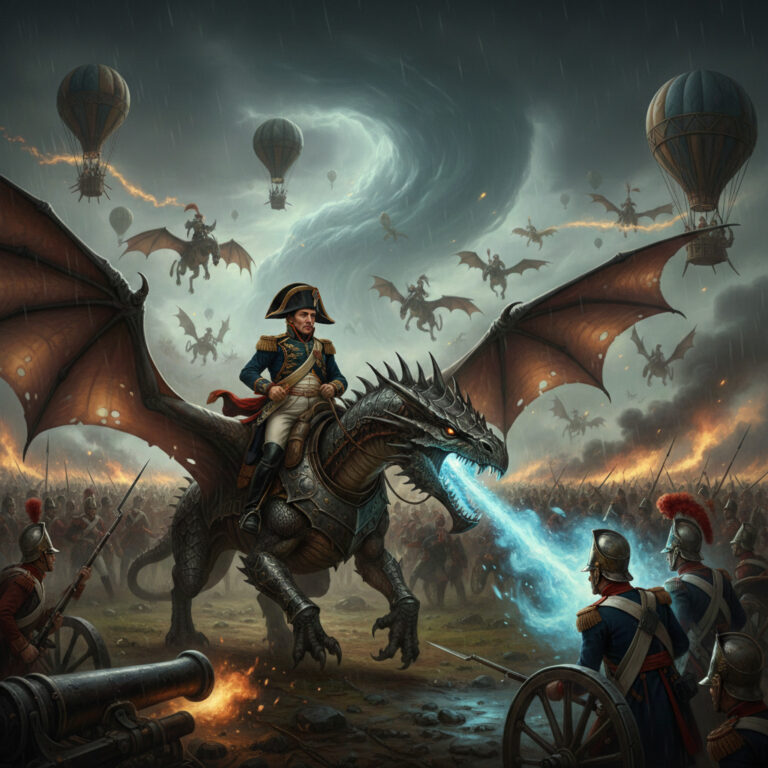
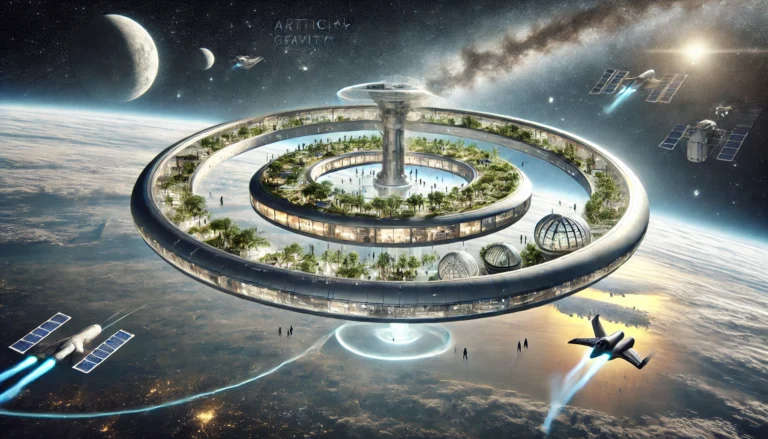
For decades, the bookstore has been a site of a quiet, intellectual cold war. On one side of the aisle, we find the brushed steel and sterile logic of Science Fiction—the realm of the “what if” grounded in the “how to.” On the other, the parchment-bound, mist-shrouded territories of Fantasy—the realm of the “long ago” and the “never was.” We have been taught to treat these genres as polar opposites: the telescope versus the crystal ball, the laboratory versus the cathedral, the Singularity versus the Spell.
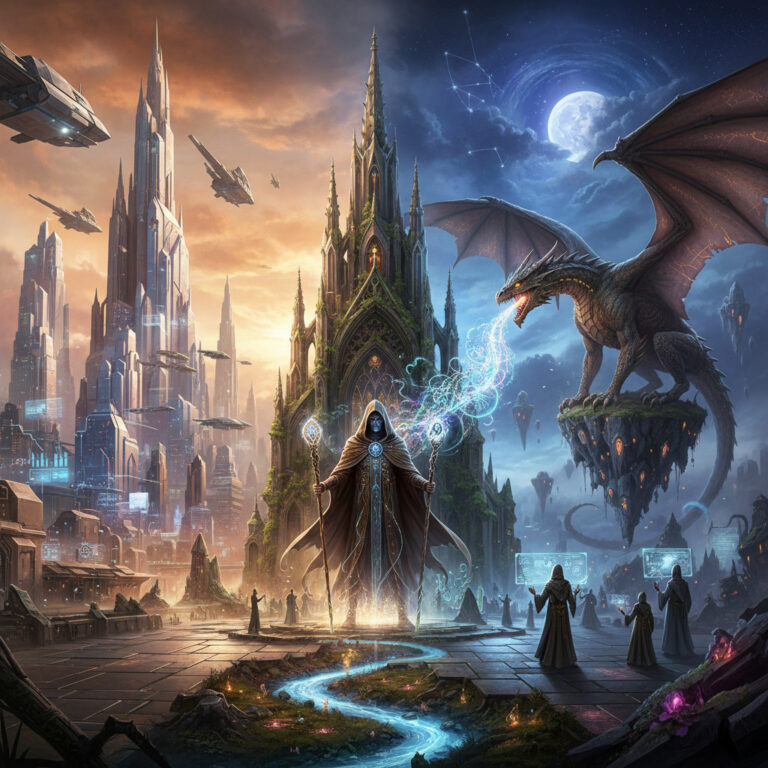
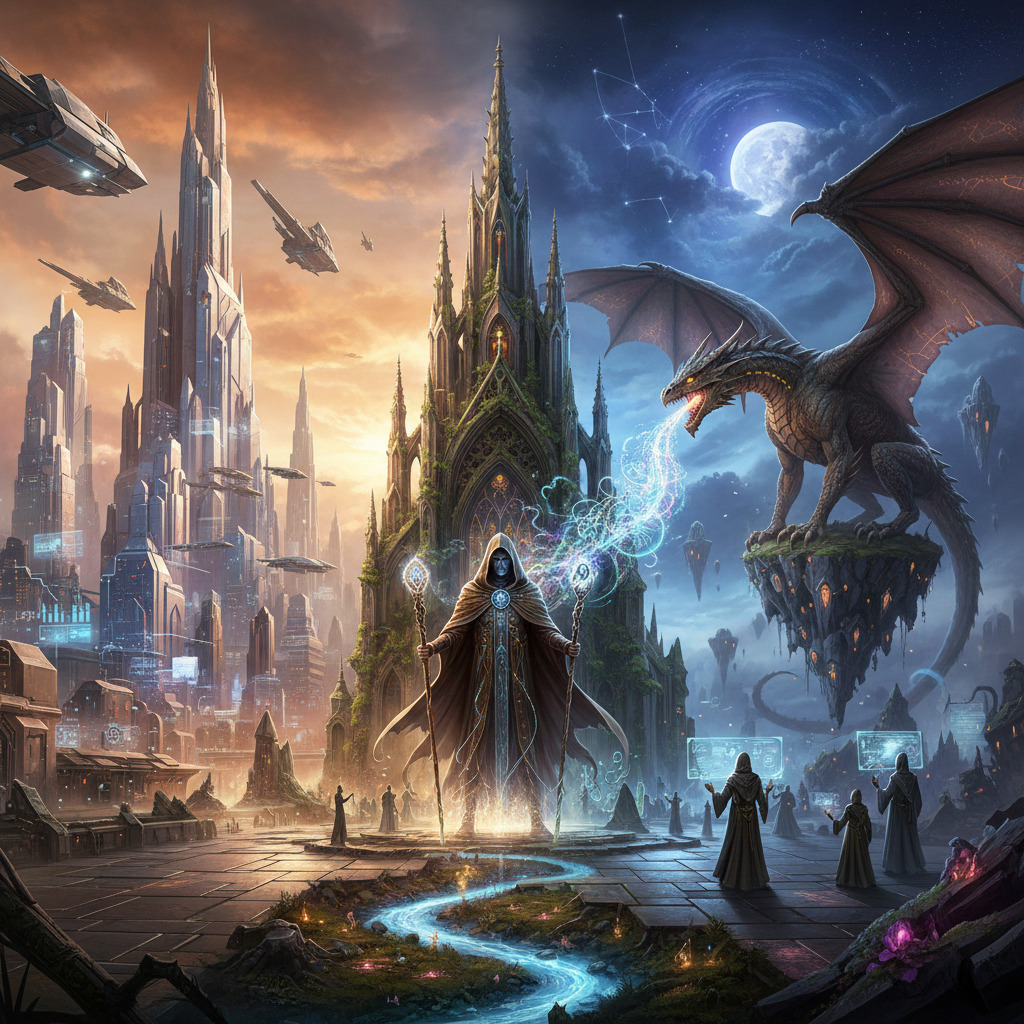
However, this binary is not just artificial; it is restrictive. As we move deeper into an era of unprecedented technological acceleration and social fragmentation, the rigid walls between these genres are beginning to crumble. To truly capture the complexity of the human condition in the 21st century, we must embrace a speculative synchronicity. The future of storytelling lies not in the purity of the genre, but in the fusion of Sci-Fi’s structural rigor with Fantasy’s mythopoetic depth.
—
The False Dichotomy: A History of Separation
The separation of Science Fiction and Fantasy is a relatively modern invention, born more from 20th-century marketing needs than from any inherent literary incompatibility. In the early days of “pulp” magazines, “scientific romances” and “weird tales” sat comfortably side-by-side.
The rift widened with the rise of Hard Sci-Fi in the mid-20th century. Driven by authors like Isaac Asimov and Robert Heinlein, the genre sought legitimacy by tethering itself to “realism” and the scientific method. Fantasy, by contrast, was relegated to the realm of “escapism”—a derogatory label suggesting that stories about dragons and enchantments were intellectually inferior to stories about rockets and slide rules.
This wall was built on a misunderstanding of what makes a story “real.” Hard Sci-Fi’s obsession with technical accuracy often came at the cost of emotional resonance, while High Fantasy’s focus on archetypes sometimes drifted into a detachment from social urgency. Today, we are realizing that a story isn’t “serious” because it explains the fuel efficiency of a warp drive; it is serious because it interrogates the soul of the person piloting the ship.
—
The “Science of Magic” and the “Magic of Science”
One of the most fascinating developments in contemporary literature is the convergence of how these genres operate internally. The gap between a magic spell and a computer program is narrowing.
The Hardening of Magic
Modern fantasy has largely moved away from the “vague mysticism” of the past. Influenced by Brandon Sanderson’s Laws of Magic, contemporary authors now design Hard Magic Systems that function with the predictability of physics. These systems have costs, limitations, and logical consequences. When magic is treated as a finite resource subject to the laws of thermodynamics, it ceases to be a deus ex machina and becomes a tool for structural rigor—a classic Sci-Fi trait.
The Technological Sublime
Conversely, Science Fiction has increasingly leaned into Clarke’s Third Law: “Any sufficiently advanced technology is indistinguishable from magic.” As our real-world tech—neural interfaces, quantum computing, CRISPR—becomes more complex, it begins to evoke a sense of the technological sublime. When Sci-Fi writers lean into this “magic of science”, they tap into a sense of wonder and terror that was once the exclusive domain of the supernatural. They aren’t just describing machines; they are describing a new kind of divinity.
—
Cross-Pollination Case Studies: Where the Genres Thrive
The most enduring works of the last century have almost always been those that dared to cross the streams. These “Speculative Realities” use the trappings of one genre to bolster the themes of the other.
* Dune (Frank Herbert): Often cited as the greatest Sci-Fi novel ever written, Dune is fundamentally a work of Feudal Mysticism. It features space travel and genetic engineering (Sci-Fi), but it is propelled by ancient prophecies, a messiah complex, and a desert-dwelling society that treats water as a sacred sacrament (Fantasy). Its power comes from how it uses tech to create a sense of deep time—the kind of temporal weight usually reserved for high fantasy.
* Star Wars (George Lucas): Though set in space with ships and robots, Star Wars is a Hero’s Journey myth. It’s a fairy tale in a spacesuit. By using the “Force”—a mystical energy field—the story gains a spiritual dimension that a purely technological space opera would lack. It’s not about the physics of the Death Star; it’s about the moral choice of the boy who destroys it.
* Saga (Brian K. Vaughan & Fiona Staples): This modern masterpiece in graphic fiction blends tech and spells seamlessly. It doesn’t ask permission to include both television-headed robots and wooden spaceships powered by ghost energy. By collapsing these genres, Saga can explore themes of family, war, and systemic oppression with a vibrancy that feels both alien and intimately human.
—
The Future of Speculative Fiction: Merging the Singularity and the Spell
As we peer into the future of literature, the most compelling stories will be those that use the tools of both genres to address the complexities of our time.
Consider AI ethics. A purely Sci-Fi approach might focus on algorithms, silicon chips, and Turing tests. But an approach that incorporates Fantasy’s lens of the “soul” and “destiny” allows us to ask more profound questions: Does a machine have a spirit? Can code be cursed? By blending these perspectives, we can bridge the gap between our technological progress and our moral evolution.
This is the power of the “Speculative Reality.” It allows authors to tackle the most pressing social issues—climate change, wealth inequality, the surveillance state—through the lens of both data and drama. Science fiction gives us the how, but fantasy gives us the why. Together, they offer a more complete picture of what it means to be alive in an age of miracles and monsters.
—
Conclusion: The Call to Speculative Realism
The time for gatekeeping is over. The artificial divide between the lab and the library has outlived its usefulness. To thrive, speculative fiction must become a unified field of study—one that prioritizes the human experience over technical categorization.
Creators, stop asking if your story is “hard enough” for sci-fi or “magical enough” for fantasy. Instead, ask if it is true enough to the human spirit. Let us build worlds where the singularity and the spell coexist, where the machine is an extension of the myth, and where the future is as much about our ancient fears as it is about our newest inventions.
The most powerful stories are the ones that remind us that even in a world of circuits and code, we are still—and always will be—the makers of magic.
About the Author