Alternate History Napoleon Dragons
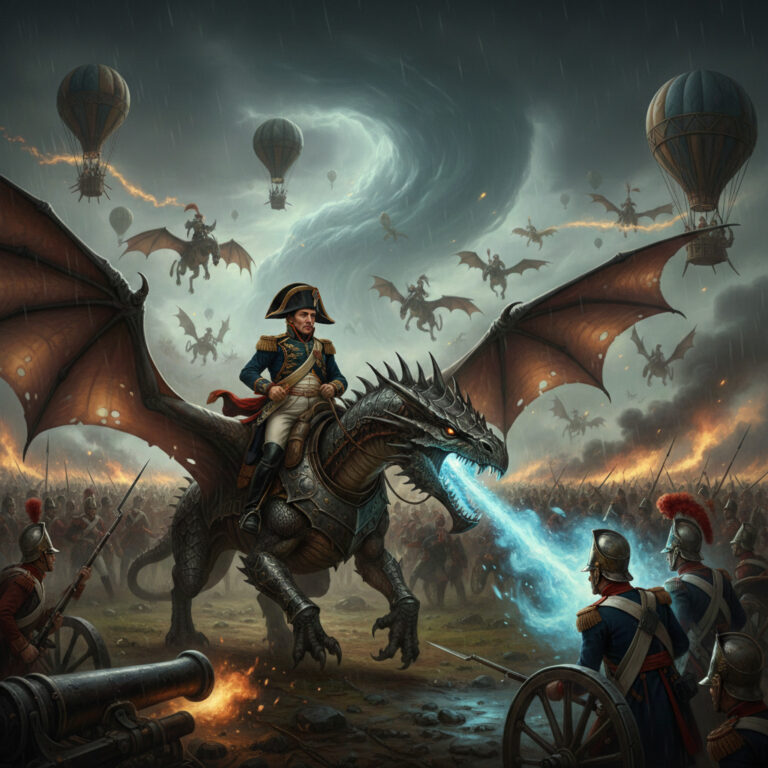
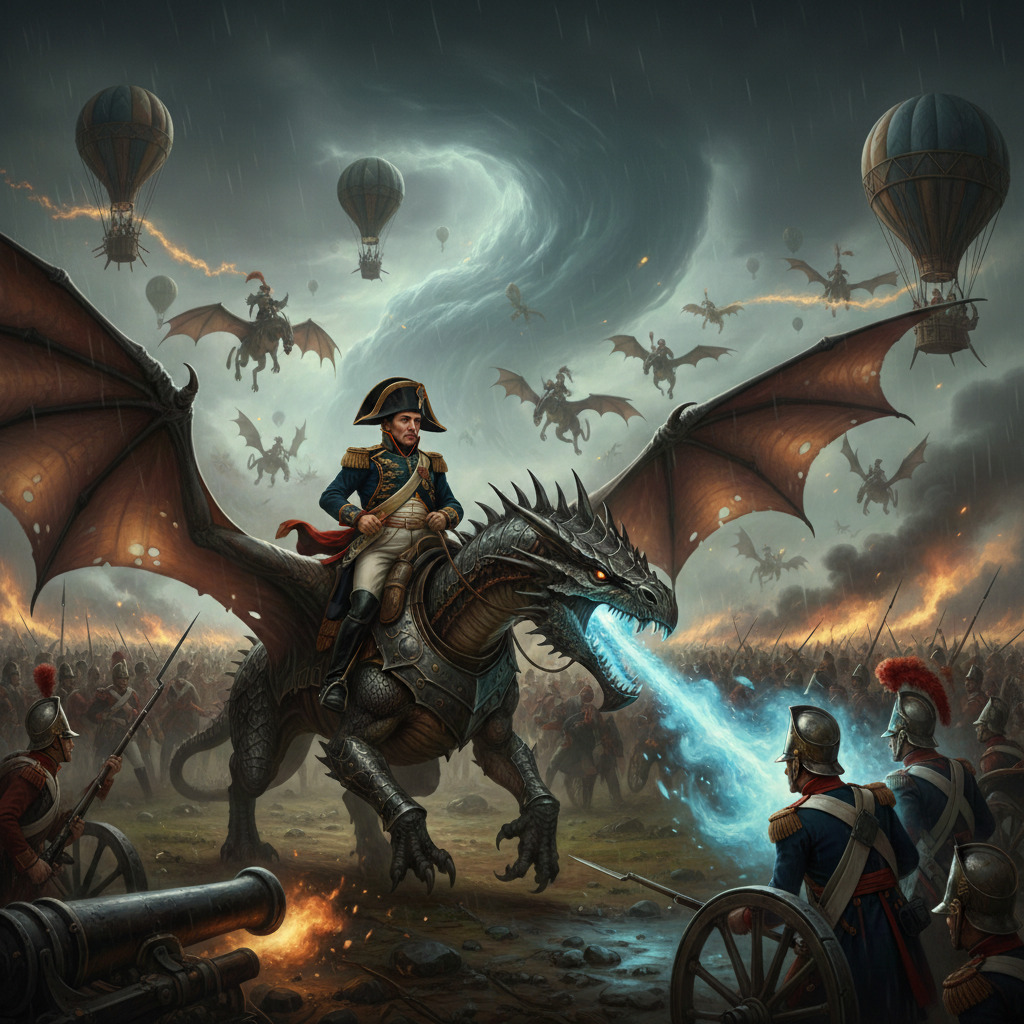
Reimagining historical events with magical twists. Imagine if Napoleon had dragons at Waterloo, or if the Renaissance was guided by real, powerful alchemists. This blend of alternate history with fantasy elements creates a genre where the familiar past is transformed by the unexpected, enchanting readers with worlds that are both recognizable and wondrous. In this article, we’ll delve into what makes alternate history fantasy so compelling, provide famous examples, explore the craft behind creating these stories, and offer insights for those eager to read or write in this imaginative genre.
—
What Is Alternate History with Fantasy Elements?
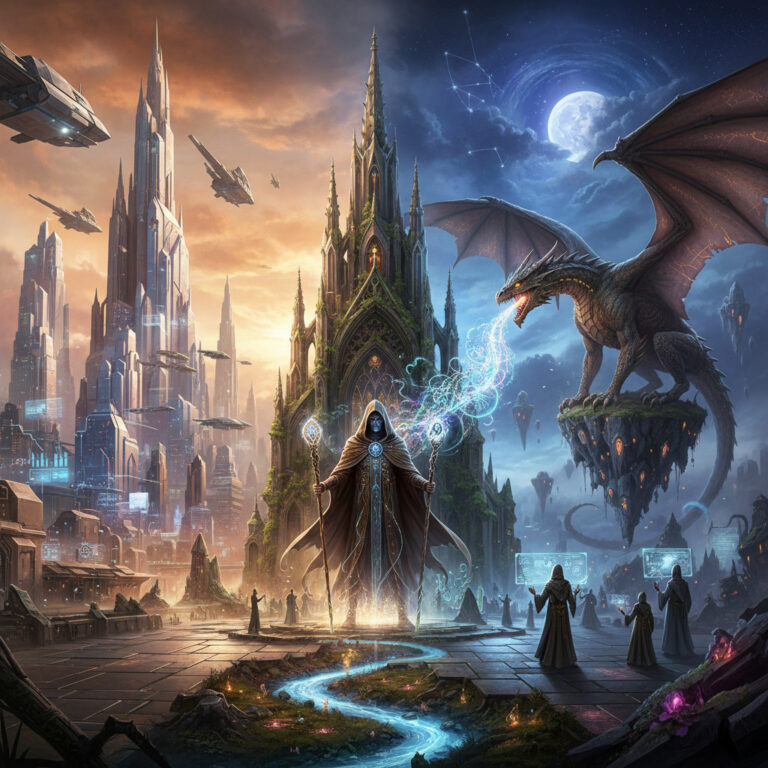
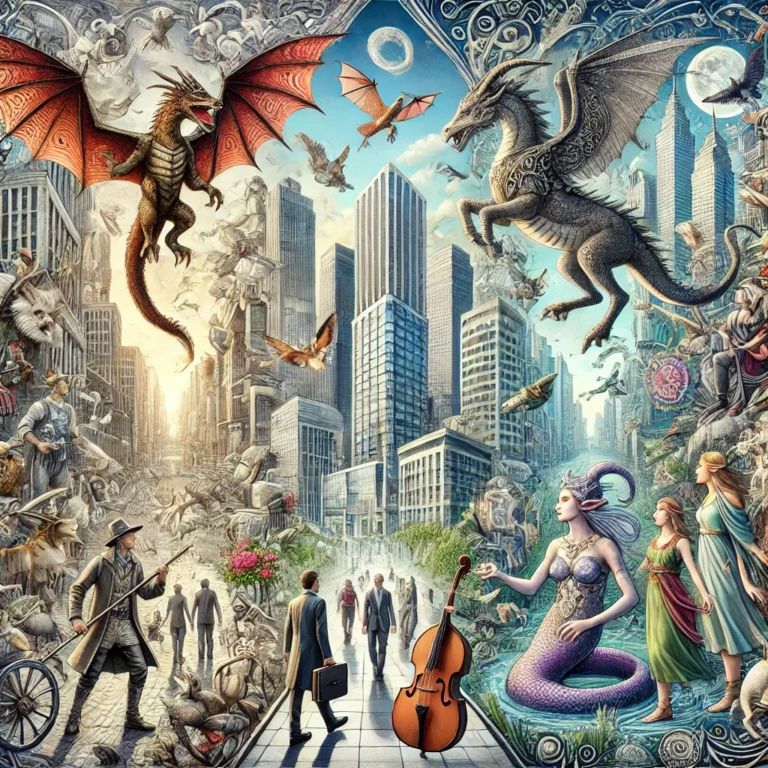
Alternate history is a subgenre of speculative fiction where an author asks “what if?” about real-world events, changing a key moment to see how the timeline might have evolved differently[1][2]. When magic, mythical creatures, or supernatural forces are integrated into these worlds, the result is alternate history with fantasy elements—a unique space where magic not only exists but shapes the course of history itself[5].
Key Features
– Point of Divergence: A moment where history takes a different path[2].
– Magical or Supernatural Influence: The alternate timeline is shaped by fantasy features, like magic systems or mythical beings[5].
– Historical Plausibility: Despite the magic, the setting feels authentic to its era, with fantasy integrated in believable ways[5].
—
Why Do We Love Alternate History Fantasy?
Ask yourself: What if the Black Death was caused by dark magic? How would the American Revolution have unfolded if sorcerers fought on both sides? These questions spark curiosity because they blend our fascination with history and our love for the impossible.
Reasons for popularity:
– Familiarity & Surprise: Readers recognize historical names and events but are surprised by magical changes.
– Exploration of “What If?”: Challenges our understanding of causality—how one small change (or introduction of magic) can reshape society[2][3].
– Reflection on Real History: By examining alternate outcomes, we better understand the significance of actual events[3].
—
Classic Examples and Case Studies
Let’s look at some notable works and ideas from this genre:
Steampunk & Victorian Magic
– Steampunk is a popular subgenre set in worlds where Victorian technology and style are powered by fantastical elements like steam-driven automata, airships, and alchemical science[3]. Imagine 19th-century London patrolled by clockwork police and spell-casting scientists.
Dragons in War
– Temeraire by Naomi Novik: Reimagines the Napoleonic Wars with an air force of dragons, exploring how societies and tactics change with magical creatures in play.
The Magic of Empire
– Jonathan Strange & Mr Norrell by Susanna Clarke: Presents a magical England during the Napoleonic era, where wizards play a crucial role in national affairs.
Myth and History Intertwined
– The Years of Rice and Salt by Kim Stanley Robinson: Explores a world where the Black Death wipes out most of Europe’s population, leading to a very different global balance and incorporating mystical and spiritual elements.
—
How to Craft an Alternate History Fantasy World
Creating these stories is both an art and a science. Here’s a step-by-step approach for writers:
1. Choose Your Point of Divergence
Pick a real historical event and decide how it will change. The larger the event, the more profound the transformation[2].
> Example: What if Joan of Arc wielded real holy magic on the battlefield?
2. Research the Real History
Authenticity is key, even when adding fantasy. Study the era’s politics, beliefs, technologies, and cultures, so your changes feel grounded in reality[5].
3. Introduce Fantasy Elements
The fantasy must be integral—magic or mythic beings should have consequences for society, technology, and politics[5].
– Is the magic secret or public?
– How does it affect class, religion, or warfare?
– Do magical creatures have rights or power?
4. Weave History and Fantasy Together
Think through the ripple effects. If dragons exist and can be ridden into battle, how does that change military strategy, national borders, or even daily life[5]?
5. Stay Consistent
Your fantasy elements must follow their own logic, and their presence should consistently influence the development of your alternate world[5].
—
Addressing Common Questions
Is this genre just for fantasy fans?
Not at all—history buffs, lovers of speculative fiction, and anyone who enjoys “what if” scenarios can find something to love.
How accurate does the history have to be?
While some creative license is expected, the most compelling stories often respect the real context, making their magical twists even more impactful[5].
Can these stories be used for education?
Absolutely! They can spark interest in real history, encourage critical thinking, and prompt discussions about cause and effect.
—
Tips for Exploring or Writing Alternate History Fantasy
– Start with a “what if” that excites you.
– Blend research and imagination—let facts inspire your fiction.
– Read widely: Try works by Philip K. Dick, Naomi Novik, and Susanna Clarke for inspiration[3].
– Keep the stakes clear: How does magic raise the stakes or alter the power balance?
– Engage with community: Forums and writing groups can provide feedback and fuel creativity.
—
Key Takeaways
– Alternate history with fantasy elements reimagines the past with magical changes that alter society, technology, and politics.
– A strong point of divergence sets up the “what if” scenario that shapes the world.
– Consistency and research are crucial for believability, even when adding the fantastic.
– This genre invites readers to reflect on real history, enjoy imaginative storytelling, and consider the power of change.
– Both readers and writers can benefit from exploring these worlds, gaining new perspectives on history and possibility.
—
References
1. Wikipedia. (n.d.). Alternate history
2. Clough, C. W. (2024). Writing Alternate Histories: The basics.
3. MasterClass. (2021). 11 Classic Alternate History Books and How to Write Your Own.
5. Costello, D. (2023). Crafting an Alternate History Fantasy Story: An In-Depth Guide.
About the Author